
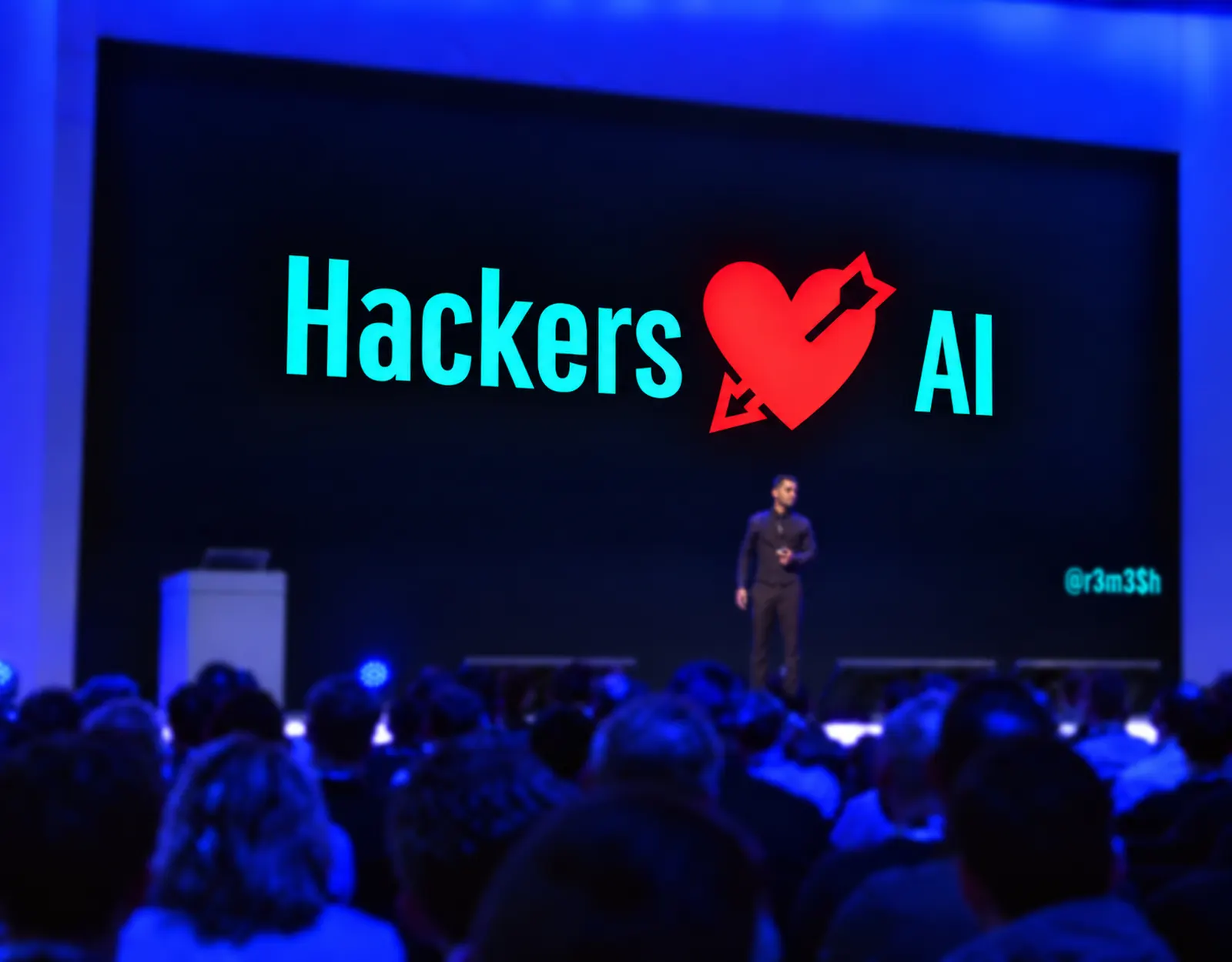
Hackers love AI because it helps them do more, faster. It can support target research, malware development, code troubleshooting, and the analysis of stolen data.
Microsoft has documented how threat actors are using AI to plan, improve, and carry out cyberattacks. Although humans still direct these operations, AI makes attackers more productive and gives them more opportunities to test, adapt, and repeat their methods.
Companies must prepare for attackers who can move faster than traditional security processes.
If attackers find an exposed application, AI may help them understand the technology, analyse code, and adjust their approach. After gaining access, it can help them search stolen documents and identify valuable information.
Meanwhile, security teams may still be working through yesterday’s alerts.
Businesses should use AI to strengthen defence by analysing large volumes of activity, connecting warning signs, identifying suspicious behaviour, and supporting faster investigations. A suspicious login, unusual program, and unexpected data transfer may seem unrelated, but together they could indicate an active breach.
Speed must also extend to response. Within tested rules and approved limits, automation can isolate devices, block malicious activity, or restrict compromised accounts. High-impact decisions should still require human approval.
Buying an AI security product alone is not enough. Companies still need strong authentication, regular updates, controlled access, reliable backups, and clear incident response plans. AI also requires accurate data, careful configuration, and skilled people who can challenge its conclusions.
Start with a specific weakness in your defence. Test whether AI helps address it, then measure detection speed, investigation quality, and response accuracy. Expand what works and correct what fails.
Protect the AI systems themselves by controlling access, safeguarding sensitive information, recording activity, and ensuring people can stop or override them.
This is a leadership responsibility. Boards and executives must understand how threats and security capabilities are changing. Budget, training, ownership, and accountability must reflect that reality.
Hackers are using AI to increase their reach, speed, and capability. Companies should use it for the same reasons: to see more, understand faster, and respond sooner.
When attackers upgrade their capabilities, standing still becomes a business risk. Strengthen your defence before they test it.